Fragrant Osmanthus! 5 Renowned Spots for Autumn Scents in Japan
Final part of our autumn flower series: fragrant osmanthus (kinmokusei). Explore 5 famous Japanese spots, from Tokyo avenues to 1,200-year-old sacred trees.
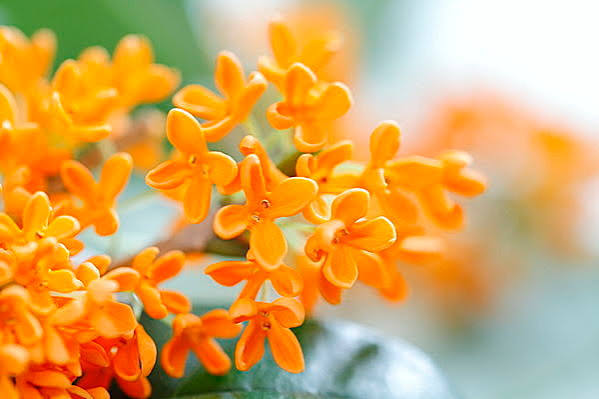
Concluding our 3-day autumn flower series, we feature the intoxicatingly fragrant "Kinmokusei" (Orange Osmanthus / Fragrant Olive, Osmanthus fragrans var. aurantiacus). From late September to October, as morning and evening breezes turn crisp, a sweet and rich aroma greets you on city streets before the tiny blossoms are even seen. Kuro-boo personally loves osmanthus-scented hand cream! Blooming in vibrant clusters of tiny orange flowers, it is celebrated as one of Japan's Three Great Fragrant Trees alongside spring daphne and summer gardenia. While common in neighborhood gardens, Japan is home to truly spectacular destinations—from 300-meter-long park avenues to national natural monuments over 1,000 years old. This article highlights 5 top osmanthus destinations in Japan, exploring their unique scents, peak blooming periods, botanical traits, flower language, and essential home cultivation and pruning tips.
5 Famous Osmanthus (Kinmokusei) Spots in Japan#
Below is a summary table of 5 prominent osmanthus destinations in Japan known for large avenues and historic giant trees.
| Spot / Temple | Location | Scale & Features | Peak Season | Key Highlights |
|---|---|---|---|---|
| Metropolitan Hikarigaoka Park | Nerima-ku, Tokyo | 300m avenue with ~50 dense trees | Late Sep – Early Oct | Tokyo's premier osmanthus avenue. Walking along the path envelops visitors in an intoxicatingly sweet floral dome. |
| Showa Kinen Park | Tachikawa / Akishima, Tokyo | Midori Bridge avenue & Arboretum groves | Late Sep – Mid Oct | Large mature trees across expansive park grounds. Can be enjoyed alongside millions of blooming cosmos. |
| Mishima Taisha Shrine | Mishima City, Shizuoka | National Natural Monument, ~1,200 years old | Late Sep (1st bloom) Early Oct (2nd bloom) |
Japan's oldest sacred osmanthus tree. Legendary fragrance historically carrying up to 8 kilometers. |
| Onjishin-ji Temple | Saijo City, Ehime | National Natural Monument, massive giant tree | Late Sep – Early Oct | Shikoku's colossal tree with a 4m trunk circumference, covering the entire temple courtyard in golden blossoms. |
| Kyoto Gyoen National Garden | Kamigyo-ku, Kyoto | Historic mature trees around Kyoto Gosho | Late Sep – Early Oct | Harmonious blend of historic palace walls, gravel paths, and mature trees delivering serene Kyoto autumn elegance. |
1. Hikarigaoka Park: 300-Meter Osmanthus Avenue (Tokyo)#
Hikarigaoka Park in Nerima, Tokyo, features a rare 300-meter avenue of approximately 50 dense osmanthus trees along the southern promenade of the Bird Sanctuary. During peak bloom, walking through this golden tunnel immerses you in a rich, sweet perfume, while falling petals later create an exquisite orange carpet.
2. Showa Kinen Park: Vast Parkland and Floral Harmony (Tokyo)#
Covering vast grounds in western Tokyo, Showa Kinen Park features mature osmanthus trees along the route from Akebono Entrance to Tachikawa Gate and around Midori Bridge. Visitors can experience both the fragrant golden blossoms and the expansive Cosmos Festival simultaneously.
3. Mishima Taisha: 1,200-Year-Old Sacred Tree (Shizuoka)#
Standing beside the main shrine in Shizuoka, this National Natural Monument has an estimated age exceeding 1,200 years. Known botanically as pale-yellow osmanthus (Usugimokusei), its crown spans dozens of meters and is celebrated for its mysterious "double blooming" in late September and early October.
4. Onjishin-ji: Massive Historic Tree (Ehime)#
In Saijo City, Ehime, this historic Shingon Buddhist temple hosts a colossal osmanthus tree with a trunk circumference of 4 meters and height of 16 meters, permeating the quiet mountain temple grounds with golden petals and sweet scent.
5. Kyoto Gyoen: Imperial Heritage and Autumn Aroma (Kyoto)#
Surrounding the historic Kyoto Imperial Palace, ancient osmanthus trees thrive near the Kan'innomiya Residence and eastern paths, offering a dignified and tranquil Kyoto autumn stroll.
Botanical Features and Fragrance Mechanism#
Osmanthus (Osmanthus fragrans var. aurantiacus) is an evergreen small tree in the Oleaceae family. Tiny 4-petaled cross-shaped flowers bloom densely in leaf axils. All Japanese kinmokusei trees are male clones propagated by cuttings since the Edo period, meaning they produce abundant pollen and intense fragrance but no fruit. Key aromatic components including β-ionone and linalool have been scientifically proven to calm the nervous system and promote relaxation.
Language of Flowers and Meanings#
| Flower Language | Origin and Background |
|---|---|
| Humility, Modesty | Inspired by tiny, discreet flowers that emanate an overwhelmingly rich fragrance without boastfulness. |
| Noble Person | Reflecting the dignified way petals fall cleanly and all at once after wind or rain. |
| Intoxication / Euphoria | Capturing how its sweet scent naturally captivates and enchants anyone nearby. |
| Truth, First Love | Symbolizing pure, genuine fragrance that evokes nostalgia and unforgettable memories. |
Home Gardening Guide: Cultivation and Pruning Tips#
- Planting & Soil: Plant in spring (March–April) or autumn (September–October) in fertile, well-drained soil in full sun.
- Pruning Timing (Crucial Rule!): Prune only immediately after flowering in late autumn (November) or before new shoots emerge in early spring (February–March). Never prune heavily after summer, as this removes developing flower buds.
- Winter Fertilizer: Apply organic fertilizer around the root zone in February to promote vigorous spring shoot growth.
- Air Quality: Osmanthus prefers clean air; avoid placing in areas exposed to heavy vehicular exhaust.
Conclusion#
The fleeting scent of osmanthus is a precious gift of early autumn in Japan. Take time this season to wander through fragrant tree-lined avenues and ancient shrine courtyards to savor this restorative aroma.