Autumn Seven Herbs: Top 5 Bellflower (Kikyo) Spots from 40,000 Plants!
Exploring Japan's top 5 bellflower spots, from 40,000 plants at Koshoji in Shizuoka to Seimei Shrine and Kyoto temples. Includes botany, flower language, and re-blooming tips.
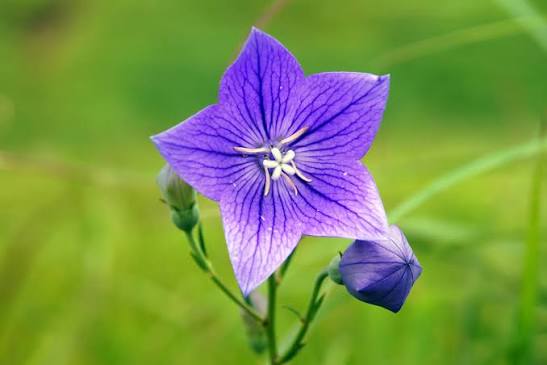
From early summer to early autumn, the bellflower (Kikyo, Platycodon grandiflorus) captivates flower lovers with its elegant five-pointed star petals and deep blue-purple hues. Revered since ancient times as one of the "Seven Autumn Herbs" in the Man'yoshu poetry anthology, its dignified beauty was deeply cherished by samurai, poets, and tea masters. In English, it is fondly called the "Balloon Flower" because its buds swell like charming little balloons just before bursting open. Across Japan, there are enchanting destinations—from massive gardens featuring tens of thousands of blooms to historic Zen rock and moss gardens in Kyoto. While the primary blooming period begins in early summer, bellflowers bloom again in September as part of their autumn second-flush. This article showcases the top 5 bellflower spots in Japan by plant count and heritage, covering their botanical traits, flower language, samurai symbolism, and tips for pruning to enjoy autumn re-blooming at home.
Japan's Top 5 Bellflower Spots by Scale#
Below is a summary table of the top 5 bellflower destinations in Japan by scale and heritage.
| Spot / Temple | Location | Scale & Plant Count | Peak Season | Key Highlights |
|---|---|---|---|---|
| Koshoji Temple | Mori-machi, Shizuoka | 15 varieties, ~40,000 plants (Over 1M blooms) |
Mid-June – Late August | Japan's premier "Bellflower Temple". Expansive garden carpeted with purple, white, and pink flowers. |
| Seimei Shrine | Kamigyo-ku, Kyoto | Approx. 2,000 plants | Mid-June – Late September | Dedicated to onmyoji Abe no Seimei. Sacred site of the five-pointed star crest (Seimei Kikyo). |
| Tentoku-in (Tofuku-ji) | Higashiyama-ku, Kyoto | Approx. 1,500 blooms (300–500 plants) |
Mid-June – Mid-July (Special Autumn viewing) |
Celebrated Zen temple. Striking contrast between vibrant green moss, white sand, and purple petals. |
| Rozan-ji Temple | Kamigyo-ku, Kyoto | Approx. 1,000 blooms | Mid-June – Early September | Site of Murasaki Shikibu's residence (author of The Tale of Genji). Beautiful Genji Garden. |
| Henjo-ji Temple | Kami-cho, Hyogo | Approx. 1,000 plants | Early July – Late July | One of Japan's Three Great Bellflower Temples, nestled serenely in the mountain countryside. |
1st Place: 40,000 Plants at Koshoji (Shizuoka)#
Taking first place is Koshoji in Mori-machi, Shizuoka. Its dedicated "Kikyo Garden" features an unmatched 40,000 plants (over 1 million blooms) across 15 distinct varieties, including double-flowered and variegated cultivars.
2nd Place: Pentagram Crest at Seimei Shrine (Kyoto)#
Dedicated to legendary court diviner Abe no Seimei, this shrine features 2,000 bellflower plants honoring its official crest: the Seimei Kikyo pentagram amulet.
3rd Place: Moss and Zen Rock Garden at Tentoku-in (Kyoto)#
Located within the Tofuku-ji complex, Tentoku-in's Momoyama-era dry landscape garden features 1,500 purple bellflowers blooming amidst vibrant green moss and raked white gravel.
4th Place: Genji Garden at Rozan-ji (Kyoto)#
Built upon the residence where Murasaki Shikibu wrote The Tale of Genji, Rozan-ji's garden features 1,000 purple and white bellflowers reflecting classic Heian elegance.
5th Place: Mountain Tranquility at Henjo-ji (Hyogo)#
Nestled in northern Hyogo, this historic mountain temple showcases 1,000 bellflower plants amidst lush moss and tranquil forest air.
Botanical Features and Pollination Mechanism#
The bellflower features a campanulate corolla that splits into five distinct lobes. Before opening, the petals form an airtight balloon. To prevent self-pollination, it employs protandry (male-first maturation): male stamens release pollen first, followed days later by the female pistil opening its 5-lobed stigma. While widespread in cultivation, wild populations are classified as Vulnerable (VU) on Japan's Red List.
Language of Flowers and Samurai Heraldry#
| Color | Flower Language | Meaning |
|---|---|---|
| Purple / Blue | Eternal Love, Unchanging Heart | Dignified, timeless devotion. |
| White | Purity, Obedience | Clean, unblemished sincerity. |
| Pink | Delicate Love | Subtle, graceful beauty. |
In Japanese history, samurai warlords like Akechi Mitsuhide and Kato Kiyomasa adopted the bellflower crest (Kikyo-mon) because the kanji can be read as a pun for "further victory" (吉・更・勝).
Home Gardening Guide: Pruning for Autumn Re-blooming#
- Planting: Plant rootstock or seedlings in spring (March–April) in well-drained, sunny locations.
- Cut-Back Pruning: After the first summer flush fades in July, cut stems back by half. Fresh side shoots will produce a magnificent second bloom in September–October.
- Deadheading: Regularly snip faded blossoms to extend the blooming season.
- Winter Dormancy: Top growth dies back in late autumn. Keep soil slightly moist during winter dormancy.
Conclusion#
Bellflowers bridge the warmth of late summer with the quiet elegance of autumn. Experience these timeless star-shaped blossoms across Japan's finest historic temples and gardens.