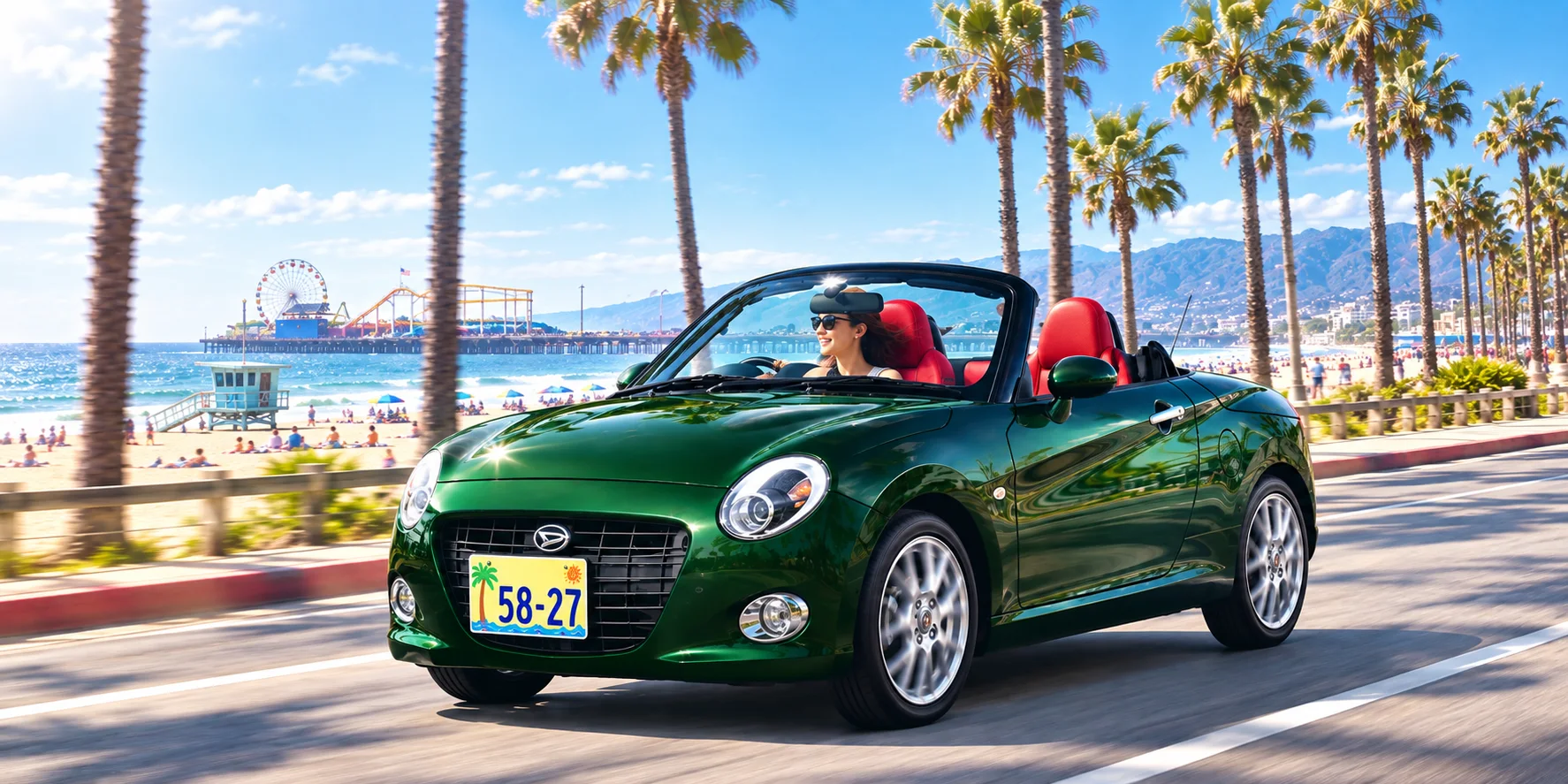
Part 1: My First Copen Tuning Experience! Impressions & Review
Following Daihatsu's end of Copen production in August 2026, I decided to lightly customize my new Copen CERO within road-legal limits for a more thrilling road trip around Japan!
The Main Theme: Saying Goodbye to the "Elephant Trunk" lol#
The "elephant trunk"? Yes, for any Copen owner, it's that instantly recognizable, downward-curving exhaust tip that looks just like an elephant's trunk.
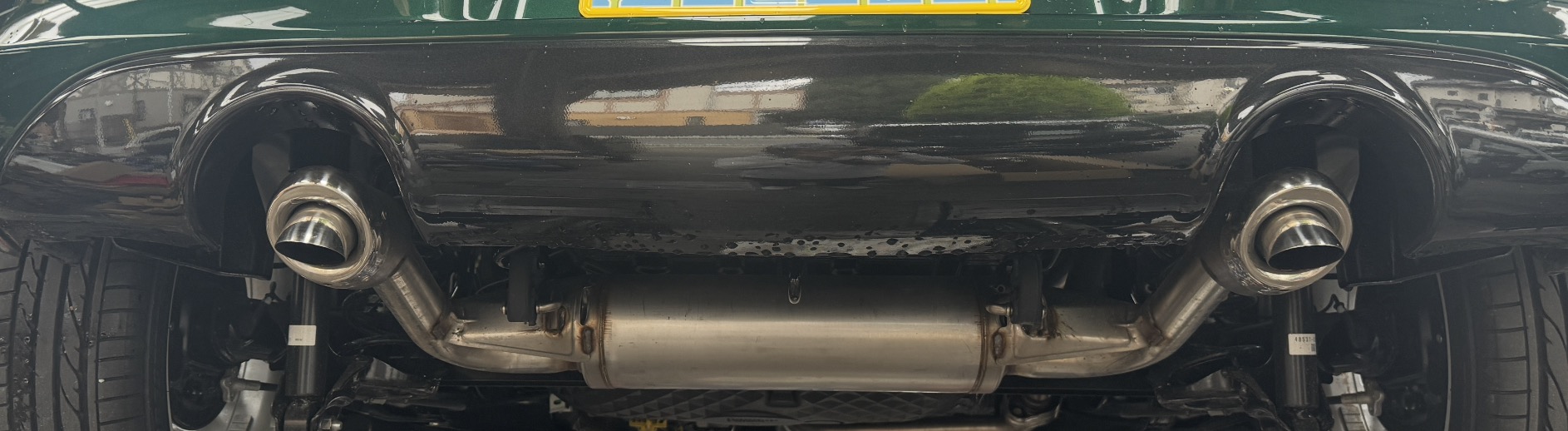
Pointing it downward might have been Daihatsu's consideration for exhaust dispersion, but on a lightweight kei-car Copen without the ride height or massive displacement of a truck or SUV, why force it down? 😱 It just looks so uncool...
Naturally, an aftermarket exhaust swap topped my customization priority list. It's an absolute tuning classic. While there are famous manufacturers like HKS and Fujitsubo, very few make an exhaust specifically designed for the Copen CERO. On top of that, at my age I have zero interest in driving an illegal vehicle, so finding a strictly road-legal, vehicle-inspection-compliant exhaust narrowed the choices down to just a few.
To be honest, I really dislike the bulky look of the central main silencer (catalytic section). I wanted a system where the silencer box doesn't stand out (even if it's normally hidden underneath lol). That's when I discovered an exhaust made by ROSSO MODELLO! Not only is it compatible with the CERO, but the tailpipe tips are fully customizable—truly the ultimate find.
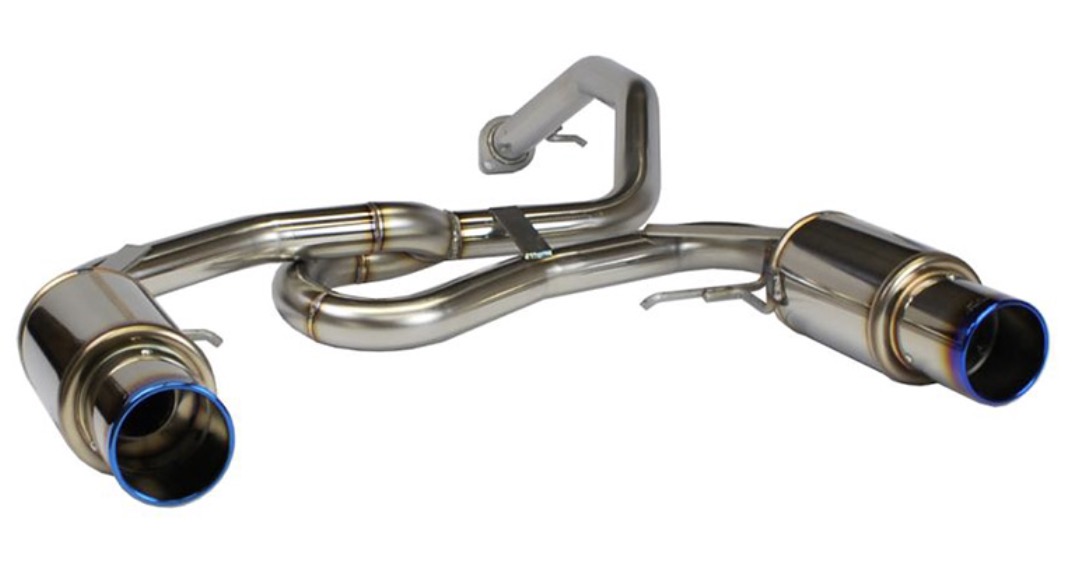
Instead of a bulky center silencer, it splits elegantly towards the dual rear exits, creating a gorgeous layout of exhaust piping that captivates you at first glance. Pure Japanese craftsmanship. Furthermore, the tailpipes are crafted from titanium, and you can freely choose heat-treated gradations, colors, and patterns—a truly flawless masterpiece.
Looking at the lineup images on Yahoo Shopping, there are an astonishing 13 different variations available. You can even order replacement tips separately later if you ever want to change the look depending on your mood.
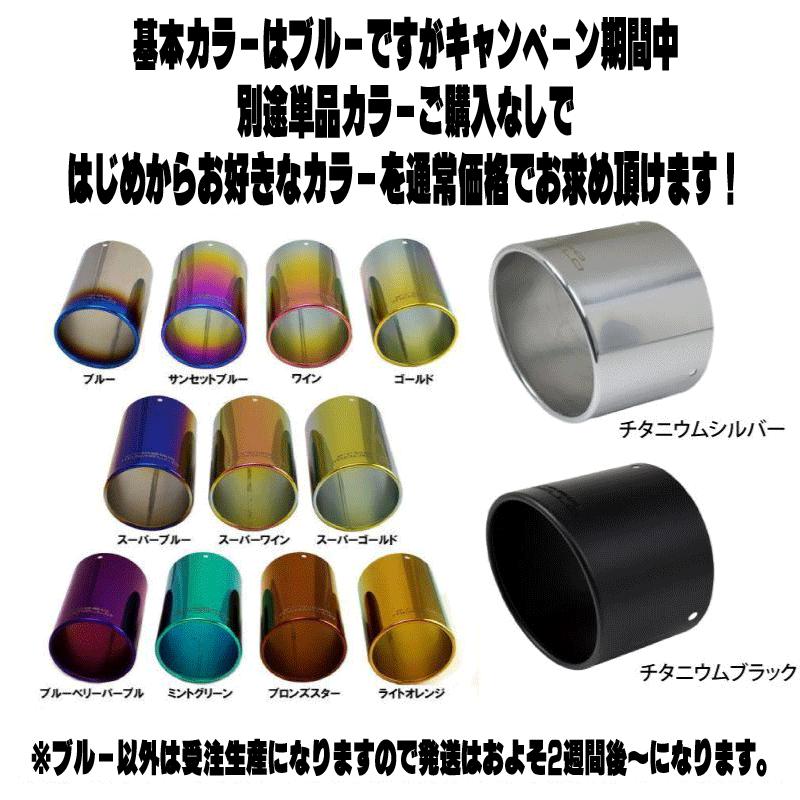
To be realistic, I'll probably never swap them out, but just having the freedom to choose brings so much joy!
I chose the "Sunset Blue" finish. Despite being called sunset, to me it evokes the crisp dawn sky. I once heard that morning glows tend toward violet-blue while sunsets tend toward deep red due to Doppler effects caused by Earth's rotation.
Scientific digressions aside, it perfectly reminisces that breathtaking morning sky when heading home after spirited early-morning mountain pass runs—making this color my undisputed top choice (though truth be told, I agonized over the decision lol).
Sunset Blue is made-to-order, so it took two weeks from placing the order to delivery, but everything arrived right on schedule, building strong trust in the manufacturer.
Now that the parts have arrived, it's time for installation!
The Result After Installing the New Exhaust#
You saw the "before" shot with the stock elephant trunk above; here is the completed setup after installation.
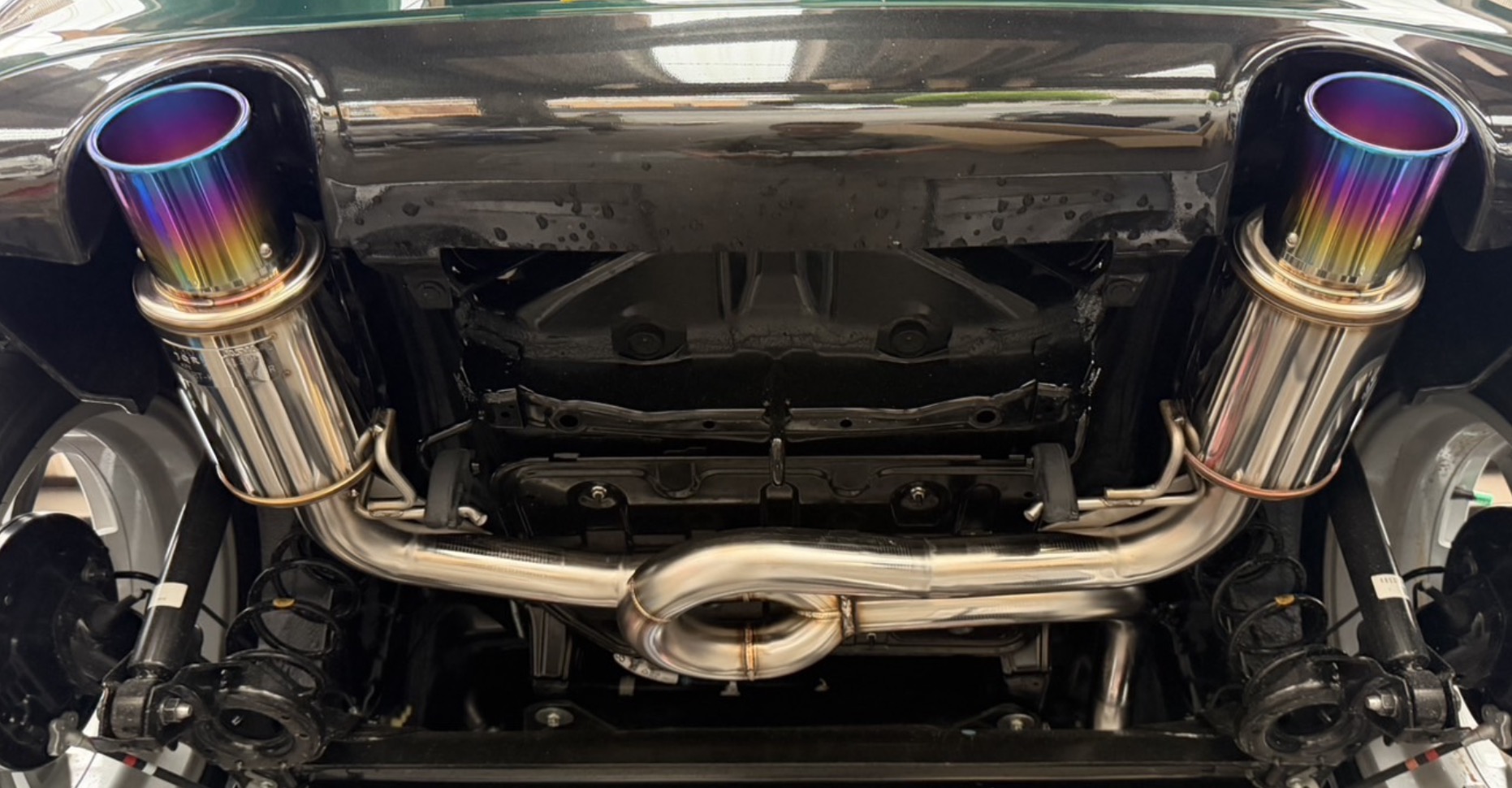
What a magnificent view! The clumsy silencer box is gone, replaced by sweeping stainless curves, dual compact catalytic units, and stunningly finished titanium tips. Not a single trace of an elephant trunk remains.
And the biggest surprise wasn't just the aesthetics.
The idle exhaust note has become insanely cool! It honestly doesn't sound like a 660cc kei-car at all... Can an exhaust really transform sound this much? Granted, compared to the deep acoustic pressure of my previous BMW 3.0L twin-turbo, a 660cc engine naturally lacks sheer volume and low-end thickness in direct comparison, but compared to the thin, raspy stock sound, it is nothing short of sublime!
Taking it for a light cruise made the difference undeniable. Because it is fully street-legal and inspection-compliant, the overall decibel level isn't obnoxiously loud either, which is wonderful. The tuned tonal quality gives you that authentic sports car feeling that instantly lifts your spirits. Just going for a casual drive has become exceptionally fun.
Driving the Copen had already rekindled my old sports car nostalgia through its stiff, communicative suspension, and this melodious exhaust upgrade has made the experience even more exhilarating.
Adding a Strut Tower Bar and Power Flow Intake#
Alongside the exhaust upgrade, I decided to upgrade the intake system with an HKS Super Power Flow intake filter. HKS is a major legacy tuner, so quality is guaranteed. In fact, I used the exact same intake on my RX-7 over 20 years ago! Even as materials evolve over two decades, timeless engineering fundamentals stay the same.
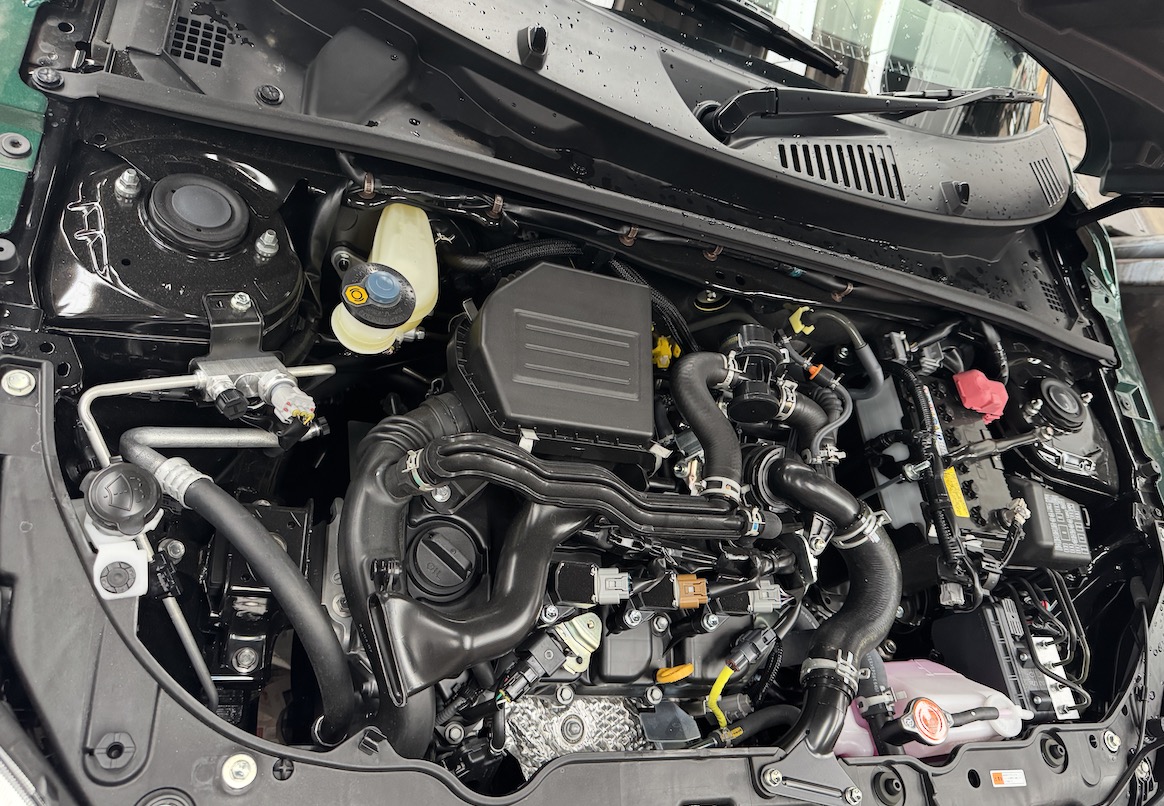
The photo on the left shows the stock engine bay before upgrades. It looked pretty plain and understated lol, as expected from factory trim.
While my old BMW engine bay was packed tight with a massive block, a kei-car engine is just 660cc. Furthermore, this Copen engine has only 3 cylinders—basically three 220cc small motorcycle cylinders combined.
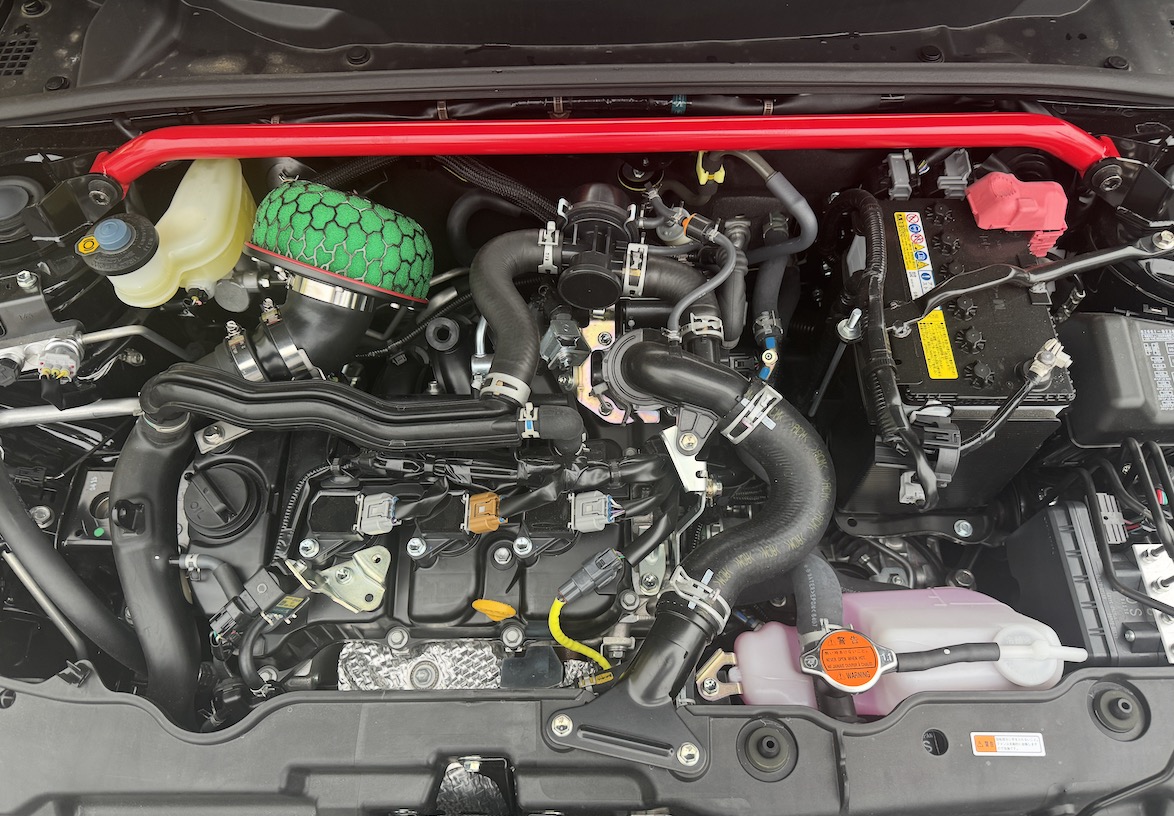
And the photo on the right shows the bay after installing the HKS Power Flow intake alongside a vibrant red ROSSO MODELLO strut tower bar.
Just two new components, yet the engine bay suddenly looks so sporty and vibrant! 🥰
This significantly improves intake airflow, giving power a slight, noticeable bump. You don't need huge power for daily city driving, but steep uphill roads were previously a bit sluggish.
It's not that it couldn't climb hills before, but you can't expect massive climbing torque from a small regular-gasoline engine.
Must-Have 3-Piece Upgrade Set for Every Copen Owner#
I genuinely feel this was one of the best tuning purchases I've ever made. I wholeheartedly recommend this 3-piece setup to anyone driving a Copen CERO.
Surprisingly, the unsung hero of this build is the strut tower bar. This single brace substantially tightens body rigidity while dramatically improving steering stability. Bracing the front suspension towers delivers widespread handling benefits throughout the entire chassis. For some reason, harsh road shocks from uneven pavement also feel pleasantly softened and refined.
All the expected benefits—precise cornering turn-in, solid highway cruising stability—were delivered in full. In fact, on lightweight kei-cars where chassis steel is minimized for cost and weight reduction, a rigid strut bar might yield even greater noticeable improvements than on standard cars. It costs only around 10,000 yen, but its real-world performance value far exceeds its price tag.