400 Years of Bravery Collide: Sendai Otsunahiki Festival in Kagoshima
Discover the Sendai Otsunahiki festival in Satsumasendai, Kagoshima on Sep 22, 2026. Experience 3,000 men clashing over a 365m, 7-ton giant rope in an epic 400-year samurai tradition.
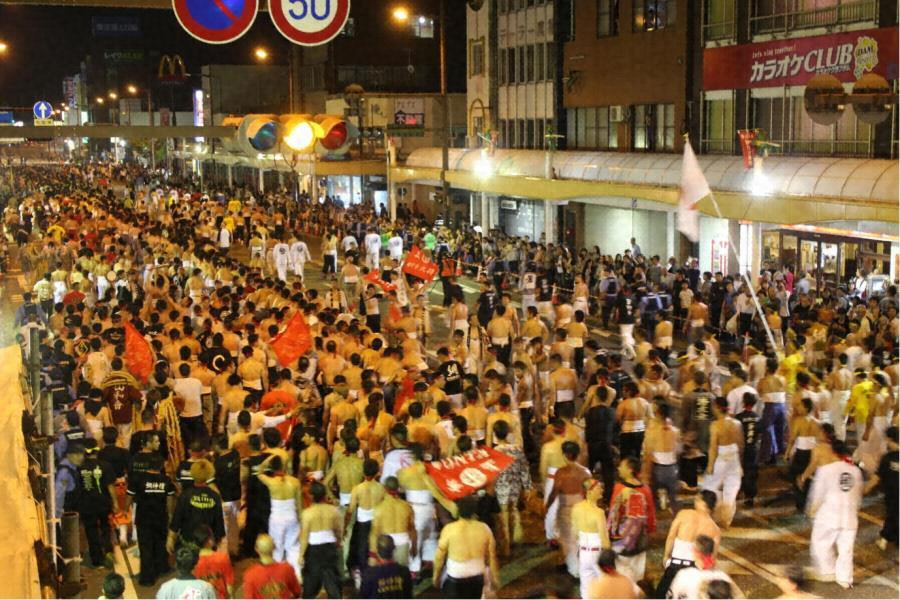
Every September 22 on the eve of the Autumnal Equinox, as the early autumn breeze sweeps across the southern land of Satsuma, the main avenue of National Route 3 in Satsumasendai City, Kagoshima Prefecture, transforms from peaceful stillness into a thunderous battleground of raw passion. Over 3,000 men clad only in white sarashi loincloths—known proudly as Satsuma Hayato—stand face-to-face across a colossal 365-meter-long, 7-ton rope. This is the peerless, 400-year-old spectacle of the Sendai Otsunahiki (Sendai Great Tug-of-War).
When people hear "tug-of-war," they might picture a gentle schoolyard contest. But Sendai's battle is entirely different. Behind the "Pulling Squads" straining with every fiber of their beings, ferocious "Pushing Squads" collide head-on in full-contact hand-to-hand combat to break the enemy's ranks, while taiko drummers atop the bucking giant rope whip the warriors into a frenzy. Why was this extraordinary festival born, and how has it endured for over four centuries? Let us explore its history and thrilling highlights.
Morale on the Eve of Sekigahara: Lord Shimazu Yoshihiro's 400-Year Legacy#
The origins of Sendai Otsunahiki date back more than 420 years to the Keicho era, on the eve of the decisive Battle of Sekigahara in 1600. Lord Shimazu Yoshihiro, the legendary military commander of Satsuma, sought to raise troop morale and forge unbreakable solidarity before marching to war. He divided his samurai army into two opposing factions to pull a massive rope.
This military drill pitting the Upper Faction (Kamikata) against the Lower Faction (Shimokata) gradually evolved into a cherished community ritual to pray for abundant harvests, good health, and regional prosperity.
"Sendai Otsunahiki is not merely about winning or losing. It is about pouring body and soul into the struggle for your side's pride, and honoring your opponents when it ends. The indomitable samurai spirit of Satsuma and the resilience of our townspeople are woven into every strand of this giant rope."
— Sendai Otsunahiki Preservation Society
Tradition holds that "if Kamikata wins, great harvests and economic prosperity follow; if Shimokata wins, bountiful fishing and thriving commerce are blessed." Whichever side prevails, good fortune is bestowed upon the entire community. The ecstatic roar of the victors and the heartfelt embraces shared among exhausted warriors leave an unforgettable impression on all spectators.
365m Long & 7 Tons: The Master Crafts of Same-Day "Tsunaneri" Rope Weaving#
The giant rope used in Sendai Otsunahiki is neither factory-made nor kept in storage. It is a monumental one-day art piece woven entirely from scratch starting in the early morning of festival day by approximately 1,500 local citizens.
Measuring 365 meters in length (symbolizing the days of the year), 35 to 40 cm in diameter, and weighing approximately 7 tons, its core is packed with freshly cut giant moso bamboo wrapped tightly in thousands of bundles of selected rice straw.
Rope Anatomy and the Craft of "Tsunaneri"
- Bamboo Core (Takeshin): Thick moso bamboo running through the center, providing the backbone to withstand thousands of tons of pulling force.
- Straw Twisting: Large wooden wheel rigs operated in unison by dozens of men twist heavy straw ropes into dense braids.
- The End Loops (Wasa): Giant loops fashioned at both rope ends to anchor pulling teams and establish center markings.
- The Center Knot (Dango): The enormous central knot on the rope that becomes the primary battleground for the Pushing Squads.
Completed from 8:30 AM to early afternoon, the finished rope stretches across the highway like a slumbering dragon. The weaving process itself is a sacred ritual and a testament to civic unity.
More Than Just Pulling: Tactics of the "Pushing" and "Pulling" Squads#
What makes Sendai Otsunahiki unique in the world is its sophisticated tactical interplay between defense and offense. The two camps—Upper Faction (Red Headbands) and Lower Faction (White Headbands)—organize specialized units with distinct roles.
The Three Main Forces in Action
- Pulling Squads (Hikitai): The core force gripping the main trunk and countless side ropes (Edazuna), digging their heels in unison. Visitors and children can join here.
- Pushing Squads (Oshitai): Muscular men clad in sarashi who charge headfirst into the opposing ranks to disrupt their footing and destroy pulling power.
- Taiko Drummers (Taikotai): Fearless drummers riding directly atop the surging giant rope, beating rhythmically to coordinate pulls and inspire courage.
At the signal, Pushing Squads from both sides slam into the central knot with incredible momentum. As scrums push against each other, the Pulling Squads behind lean their entire body weight backward in timed surges. With taiko beats thundering above the swaying human sea, a vivid Sengoku battlefield is reborn on modern pavement.
September 22, 2026: Sendai Otsunahiki Schedule & Viewing Guide#
Here is the essential timetable and safety advice for experiencing the 2026 festival:
| Time | Program | Highlights & Advice |
|---|---|---|
| Morning: 8:30–13:00 | Tsunaneri (Rope Weaving) | National Route 3 is closed as 1,500 citizens weave the 7-ton rope by hand. |
| Evening: 19:00– | Opening Ceremony & Entry | Thousands of sarashi-clad warriors gather with war cries, building electrifying tension. |
| Night: 20:00–21:30 | Main Great Tug-of-War | The clash of Pushing Squads and heroic pulling battles under thundering taiko beats. |
| Post-Match: 21:30– | Victory Call & Banzai Cheers | Noble camaraderie after victory is declared. Straw pieces from the rope bring good health. |
| Safety Point | Recommended Action |
|---|---|
| General Participation (Pulling) | Visitors, women, and children can pull side ropes (Edazuna). Wear sneakers and casual athletic wear. |
| Stay Clear of the Center Knot | The central collision area is extremely fierce. Stay within designated spectator zones. |
| Access & Traffic Restrictions | Extensive road closures apply along Route 3. Walking from Kyushu Shinkansen/JR Sendai Station is easiest. |
Conclusion: An Autumn Festival of Satsuma Passion and Soul#
Heralding the arrival of autumn in southern Kyushu, Sendai Otsunahiki stands as one of Japan's purest living folk treasures—fueled purely by human grit, communal brotherhood, and unbroken heritage. Experience the earth-shaking thrill of 3,000 warriors under the autumn night skies of Kagoshima on September 22, 2026!