Aomori Nebuta Festival 2026: History, Highlights & Access Guide
Experience the legendary Aomori Nebuta Festival on August 2-7, 2026. Discover massive illuminated warrior floats, dynamic Haneto dancers, and essential travel and ticket information.
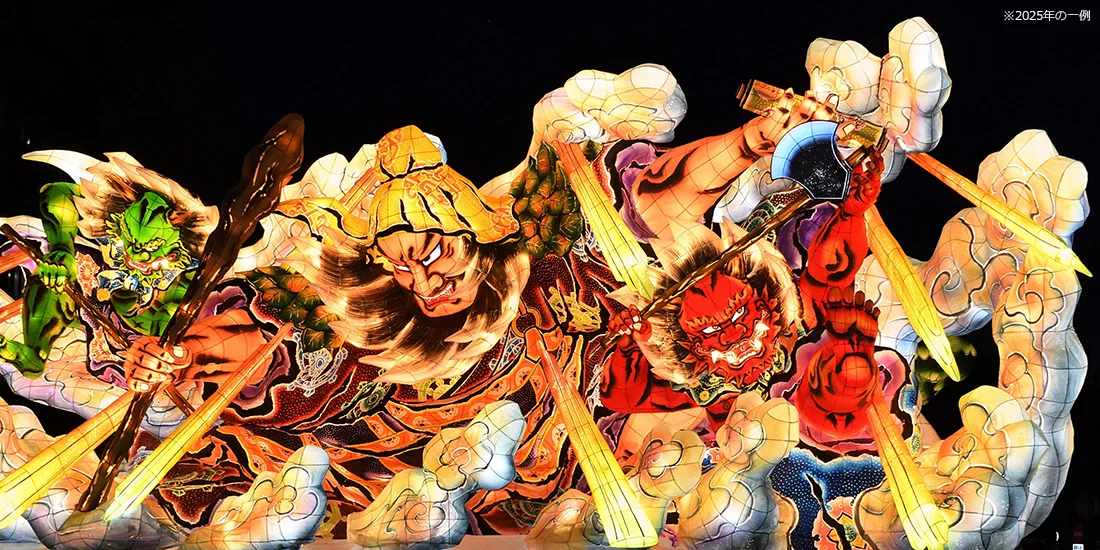
The Aomori Nebuta Festival, which vividly colors Aomori's short summer, is one of Japan's most representative fire festivals, held annually from August 2 to 7. Designated as an Important Intangible Folk Cultural Property, it attracts over 2 million tourists from Japan and abroad every year. The sight of massive puppet lanterns (nebuta) measuring approximately 9 meters wide, 7 meters deep, and 5 meters high parading through downtown Aomori at night is overwhelming. The festival is further energized by Haneto dancers jumping to the shouting of "Rassera, Rassera" and the powerful Nebuta Hayashi music. In preparation for the 2026 Aomori Nebuta Festival, this article provides a complete guide covering its historical background, highlights, comparison with other Tohoku festivals, and access/ticket information.
Origins and History of the Aomori Nebuta Festival: From Sleep-Floating to Giant Lanterns#
While there are various theories about the origin of the Aomori Nebuta Festival, the most accepted is that it evolved from the fusion of the "Tanabata Nagashi" (Tanabata floating) festival introduced from China during the Nara period and traditional local customs, spirit send-offs, and insect send-offs in the northern region.
Historically, a ritual called "Nemuri Nagashi" (sleep-floating) was performed to wash away sleepiness (nemuri) that hindered agricultural work during summer, praying for health and disaster prevention by floating lanterns down rivers or into the sea. The word "nemuri" is believed to have corrupted into "nebuta" (or "neputa") in the Tohoku dialect.
Historical records show that lanterns were carried around in the Tsugaru region during the Kyoho era (1716-1736). Initially, these nebuta were simple, small lanterns carried on bamboo branches. However, over time, they evolved into large puppet lanterns depicting kabuki scenes and warrior drawings.
In the Meiji period, the festival faced temporary restrictions due to police regulations and the installation of electric lines. However, through the postwar reconstruction period, its value as a tourism event grew, leading to the development of the massive, brilliantly colored large nebuta of today. In 1980, it was designated as a National Important Intangible Folk Cultural Property, establishing itself as a world-class traditional culture that Japan proudly presents to the world.
2026 Schedule & Highlights Map#
The Aomori Nebuta Festival takes place on fixed dates every year from August 2 to 7, regardless of the day of the week. Therefore, confirming the dates is crucial when planning your trip. The schedule for 2026 is as follows:
| Date | Time | Content and Features |
|---|---|---|
| Aug 2 & 3 | 19:00 - 21:10 | Children's Nebuta (approx. 10-15 floats) and Large Nebuta (approx. 15 floats) parade together at night. A youthful and lively opening of the festival. |
| Aug 4, 5, 6 | 19:00 - 21:10 | The climax of the night parade featuring about 20 Large Nebuta filling the streets. All floats gather, and the energy of the Haneto dancers reaches its peak. Awards (such as the Nebuta Grand Prize) are announced on the night of August 6. |
| Aug 7 (Final Day) | 13:00 - 15:00 / 19:15 - 21:00 | Large Nebuta parade during the day, showing their artistic details under the blue sky. At night, the award-winning floats parade on the sea in Aomori Port, accompanied by the Aomori Fireworks Display. The festival concludes with the collaboration of fireworks and floating nebuta. |
In Aoiumi Park, located behind the Aomori Museum of Art and the Aomori Prefecture Tourist Center (ASPAM), nebuta construction sheds called "Rasse Land" are set up every year starting around May. Here, you can watch nebuta masters crafting giant nebuta. The sheds are open to the public during the day during the festival, making it a great spot to closely observe the details of the nebuta before they are lit up at night.
Three Major Highlights of the Aomori Nebuta Festival: Light, Dance, and Sound#
The Aomori Nebuta Festival attracts people because of the trinity of visual beauty, auditory dynamism, and physical enthusiasm. Here are the three main elements of the festival:
1. Artistic Beauty of the Giant "Large Nebuta"#
The main attraction of the festival is the puppet lanterns made by building a frame of wire and wood, pasting washi paper over it, and painting it with ink and brilliant dyes. The themes are often drawn from Chinese history (like Romance of the Three Kingdoms or Water Margin), Japanese mythology, and battle scenes of samurai, capturing dynamic moments of intense emotion and movement. In recent years, LED lighting has replaced incandescent bulbs, enabling delicate and high-contrast light presentation. When a nebuta passes before your eyes, it feels as if a giant 3D scroll has come to life.
2. Overwhelming Energy of the "Haneto" Dancers#
The "Haneto" are dancers who lead and energize the parade. They wear unique costumes consisting of white yukata with colorful sashes and flower hats. The dance is simple but physically demanding, jumping twice on each foot alternately. However, when thousands of Haneto gather and jump together with the shout of "Rassera, Rassera," the ground shakes and the excitement is contagious. Anyone wearing the official costume can join the parade on the spot without prior registration, which is a major highlight.
3. Soul-Stirring "Nebuta Hayashi" Music#
The "Nebuta Hayashi" is the festival music that guides the parade and inspires the dancers and floats. It consists of shinobue (bamboo flutes) playing nostalgic melodies, giant taiko drums producing deep bass, and hand cymbals (teburigane) creating a lively metallic rhythm. The sound of hundreds of musicians playing together wraps the entire city and raises the heart rate of visitors.
"Nebuta Masters" Supporting the Festival and Their Legacy#
The giant nebuta are not built overnight. The entire process from design, construction, to coloring is directed by professionals called "Nebuta Masters" (Nebuta-shi).
Nebuta masters are not just craftsmen but comprehensive artists who need artistic sense and knowledge of structural calculation. Every year, they start planning for the next year's floats in autumn and spend about a year creating one float.
The title of "Nebuta Meijin" (Nebuta Grand Master) is awarded to masters who have made exceptional contributions. Starting with the first master, Kinzaburo Kitagawa, only a few have received this title. Their floats show unique philosophy in balance, brush strokes, and light presentation, influencing future generations of creators.
Tohoku's Three Major Festivals: Comparison of Aomori, Akita, and Sendai#
The Aomori Nebuta Festival, Akita Kanto Festival, and Sendai Tanabata Festival are known as Tohoku's Three Major Festivals. Let's compare their features:
| Festival | Location | Period | Key Features and Format | Experience Points |
|---|---|---|---|---|
| Aomori Nebuta Festival | Aomori City, Aomori | Aug 2 - 7 | Giant warrior puppet lanterns parade through the city. Haneto dancers jump dynamically to the shout of "Rassera." | Anyone wearing the official costume can join. The marine parade on the final day is a must-see. |
| Akita Kanto Festival | Akita City, Akita | Aug 3 - 6 | Performers balance giant bamboo poles (up to 46 lanterns, 50kg) resembling ears of rice on their forehead, waist, and shoulders. | Enjoy the acrobatic balance skills and the beauty of countless glowing lanterns in the night sky. |
| Sendai Tanabata Festival | Sendai City, Miyagi | Aug 6 - 8 | A traditional festival since the era of Date Masamune. Elegant, handmade paper decorations color the shopping streets. | Stroll through the city while viewing the colorful and massive paper decorations. |
Each festival has its unique charm, coloring the short northern summer with dynamic energy, technical skills, and elegant beauty.
2026 Ticket Sales Status & Access Guide#
To enjoy the Aomori Nebuta Festival comfortably and safely, preparation is essential. We recommend securing reserved seats, especially for the crowded night parades.
Ticket Sales Schedule and Purchase Method#
The general sale (secondary sale) of reserved seats for individuals (9 people or less) for the 2026 festival starts on Saturday, July 18 at 10:00 AM. You can buy tickets online, at convenience stores, or by phone. Tickets for the daytime parade and the fireworks set package on August 7 are sold out. Wheelchair accessible seats for the daytime parade on August 7 are currently available.
Access to Aomori#
• By Train: From Tokyo or Sendai, take the Tohoku Shinkansen "Hayabusa" to Shin-Aomori Station, then transfer to the JR Ou Main Line to Aomori Station (about 5 minutes). From Osaka or Nagoya, take the Shinkansen via Tokyo Station.
• By Air: Aomori Airport is connected to Aomori Station by a 35-minute limousine bus. Direct flights operate from Haneda, Itami, and New Chitose/Okadama airports.
• By Car: The nearest highway exit is Aomori Central IC on the Tohoku Expressway. However, extensive traffic regulations are implemented in downtown Aomori in the evening, and parking is extremely limited. We highly recommend using public transportation.
Conclusion: Experience the Soul-Stirring Energy in Aomori in 2026#
The 2026 Aomori Nebuta Festival will feature new floats combining traditional designs and modern lighting technology. The giant illuminated figures, the deep sound of taiko drums, and the energy of Haneto dancers will give you an unforgettable summer experience. Plan your visit to Aomori to feel the ancient energy of Japanese festivals and local hospitality.
【Sources】#
1. Aomori Nebuta Festival Official Website: "Origin and History"
2. Aomori Nebuta Festival Official Website: "Schedule and Route"
3. Aomori Nebuta Festival Official Website: "Ticket Information"