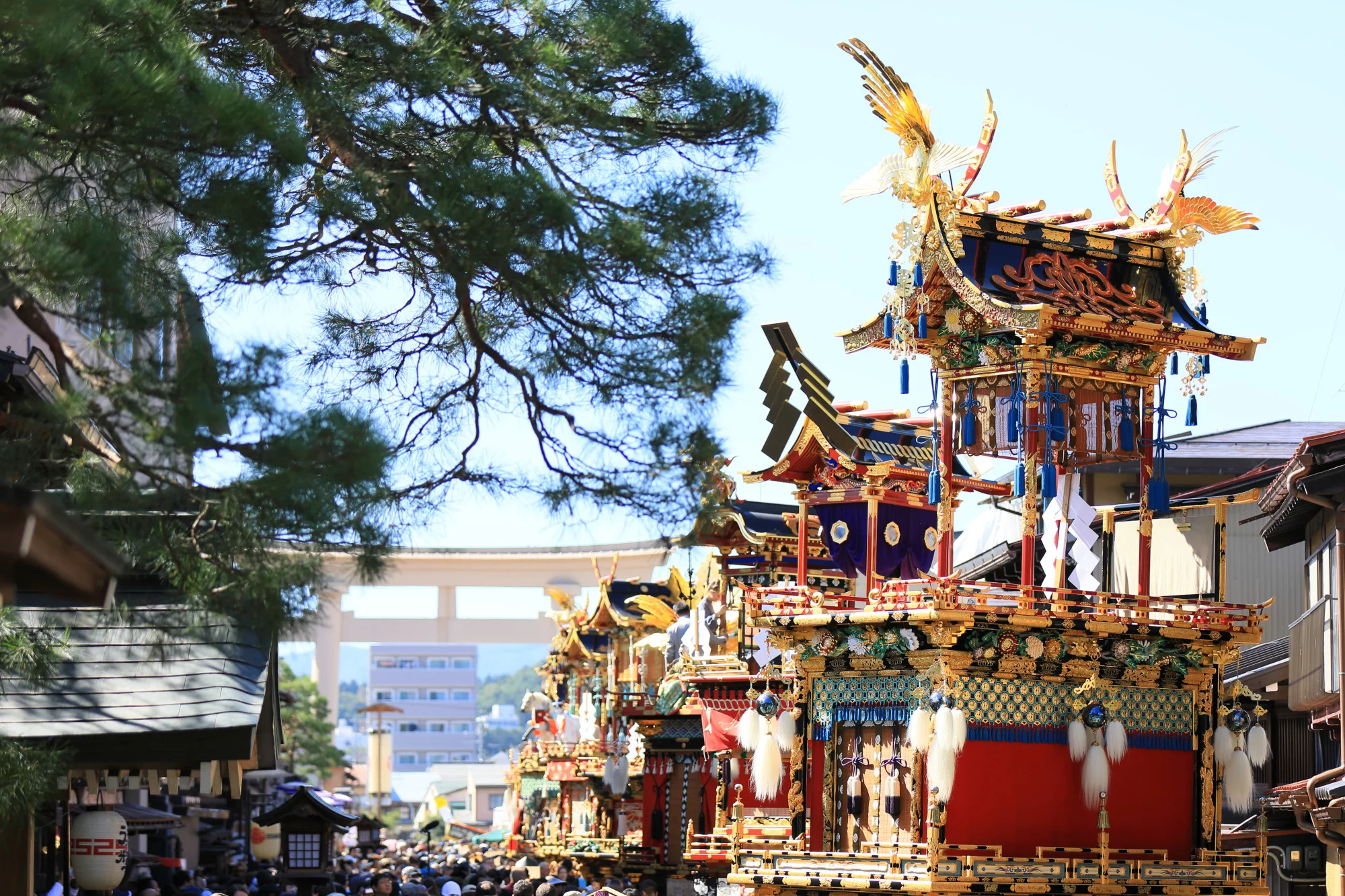
As the mountains of Hida turn vibrant with autumn colors, one of Japan's most picturesque traditional festivals, the Takayama Autumn Festival (Hachiman Matsuri), will be celebrated across the historic streets of Takayama, Gifu Prefecture, on October 9 (Fri) and 10 (Sat), 2026.
Ranked alongside Kyoto's Gion Matsuri and Saitama's Chichibu Night Festival as one of Japan's Three Most Beautiful Festivals, and designated as both a National Important Intangible Folk Cultural Property and a UNESCO Intangible Cultural Heritage (Yama, Hoko, Yatai float events), the Takayama Festival showcases 11 breathtaking festival floats (Yatai) crafted by master Hida artisans. Visitors will be captivated by the solemn Goshinko procession, miraculous Karakuri mechanical puppet dedications, and the enchanting evening Yoimatsuri lit by 100 lanterns per float.
【Takayama Autumn Festival (Hachiman Matsuri) 2026 Basic Information】
- Dates: October 9 (Fri) – October 10 (Sat), 2026
- Location: Around Sakurayama Hachiman Shrine (Shitamachi Area), Takayama City, Gifu Prefecture
- Main Highlights: Float display (11 Yatai), Karakuri puppet dedication (Hotei-tai), Goshinko procession, Yoimatsuri evening parade (Night of Oct 9)
- Access: Approx. 15–20 minutes on foot from JR Takayama Station (Takayama Main Line)
What is the Takayama Autumn Festival (Hachiman Matsuri)? History & Heritage#
The Takayama Festival is the collective name for two annual celebrations: the Spring Sanno Festival (Hie Shrine Annual Festival on April 14–15) and the Autumn Hachiman Festival (Sakurayama Hachiman Shrine Annual Festival on October 9–10). The autumn festival serves as the sacred rite of Sakurayama Hachiman Shrine, the guardian deity of the northern half of Takayama's castle town (the lower town north of Yasukawa Street), expressing gratitude to the gods for a bountiful harvest.
Its origins trace back to the late 16th and 17th centuries under the rule of the Kanamori clan. During the Edo period, when Hida came under direct shogunate control (Tenryo), affluent local merchants known as "Takayama Dannashu" funded the development of a unique festival culture, blending refined arts from Kyoto and Edo. The floats embody the extraordinary woodworking, carving, and lacquering skills of "Hida no Takumi" (Master Artisans of Hida), refined over centuries of harsh winters.
11 Gorgeous Yatai Floats Known as "Moving Yomeimon"#
The autumn festival features 11 festival floats designated as National Important Tangible Folk Cultural Properties. Adorned with delicate wood carvings, exquisite metal fittings, Urushi lacquer, and Nishijin brocade tapestries rivaling the Yomeimon Gate of Nikko Toshogu Shrine, they are celebrated as "Moving Yomeimon" and "Moving Museums."
| Float Name | Neighborhood Unit | Features & Highlights |
|---|---|---|
| Kagura-tai | Hachiken-machi | Carries a massive taiko drum, leading the solemn sacred procession at the forefront. |
| Hotei-tai | Shimo-Ichino-machi Kami-gumi | The premier float featuring the exclusive Karakuri puppet performance in the autumn festival. |
| Kimpo-tai | Shimo-Ichino-machi Naka-gumi | Crowns a radiant golden phoenix on its roof, boasting prestigious classical architecture. |
| Daihachi-tai | Shimo-Ichino-machi Shimo-gumi | Characterized by elaborate carvings inspired by ancient Chinese legends and heavy black lacquer. |
| Hoo-tai | Shimo-Nino-machi Kami-gumi | Features majestic phoenix wood carvings and magnificent painted ceiling art. |
| Jimba-tai | Shimo-Nino-machi Naka-gumi | Distinguished by a dynamic, beautifully sculpted white horse figure. |
| Sennin-tai | Shimo-Nino-machi Shimo-gumi | Presents an elegant aesthetic with a Chinese-style gable roof and an immortal sage figurine. |
| Gyojin-tai | Shimo-Sanno-machi Kami-gumi | Celebrated for well-balanced architectural proportions and delicate decorative metal fittings. |
| Hoshu-tai | Shimo-Sanno-machi Naka-gumi | Gracefully embellished with motifs of the sacred turtle and wish-fulfilling jewel. |
| Homei-tai | Oshin-machi 1-chome | Eye-catching with richly colored polychrome carvings and splendid rear tapestries. |
| Kyuhosha | Oshin-machi 2-chome | Features noble imperial court wagon-style wheels and profound structural history. |
Complete Guide to the 4 Major Highlights#
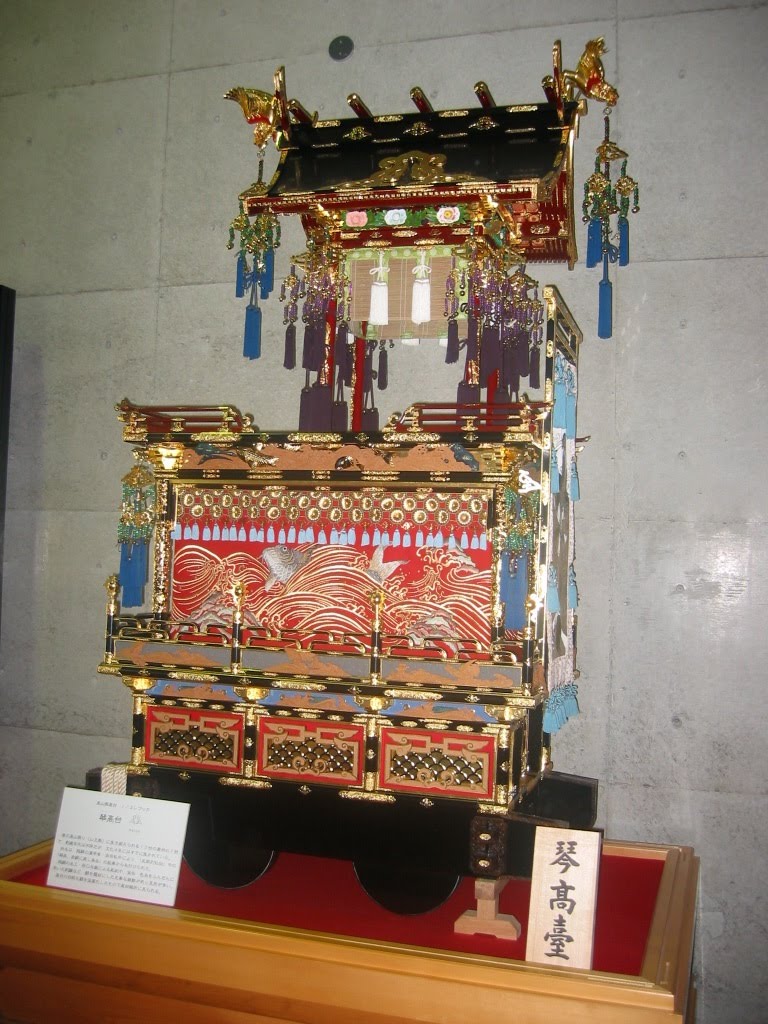
Over the two festival days, sacred rituals and vibrant spectacles unfold continuously. Understanding the timeline and key highlights in advance ensures you experience the best of Takayama Festival.
1. Yatai Float Display (October 9 & 10)#
Lining up all 11 floats in one grand gathering is an awe-inspiring sight. On October 9, the floats line the Omotesando approach to Sakurayama Hachiman Shrine, while on October 10, they gather across the shrine precincts. This offers a golden opportunity to admire the master craftsmanship up close, from intricate woodwork to lustrous lacquer finishes.
2. Karakuri Puppet Dedication by Hotei-tai (Both Days: Morning & Afternoon)#
The most anticipated highlight of the autumn festival is the Hotei-tai Karakuri Marionette Dedication at Sakurayama Hachiman Shrine. In this breathtaking feat of mechanical mastery, two Karako (child) puppets swing effortlessly across trapeze-like bars, leaping onto the shoulder of the large Hotei monk figure and unveiling a military fan. Guided by multiple puppeteers pulling dozens of silk strings in perfect unison, it is a spectacle of astounding precision and elegance.
※ Photo taken during a previous visit by Kurousagi.
【Karakuri Performance Viewing Tips】
- Karakuri dedications occur twice daily (morning and afternoon). The shrine grounds fill quickly, so arrive 45 to 60 minutes beforehand to secure a viewing spot.
- In case of rain, outdoor float displays and puppet dedications are cancelled or moved to storage storehouses to protect cultural treasures.
3. Goshinko Procession: Living Historical Scroll (Both Days)#
Featuring several hundred participants, the grand Goshinko Procession accompanies the sacred Mikoshi (portable shrine). Escorts in traditional Kamishimo attire, Tokeiraku dancers in vibrant bird-crest headgear beating metal gongs, and musicians playing ancient Gagaku melodies march through the historic townscape, recreating an authentic Edo-period scene.
4. Yoimatsuri Evening Parade: Mystical Glow of Lanterns (Night of October 9)#
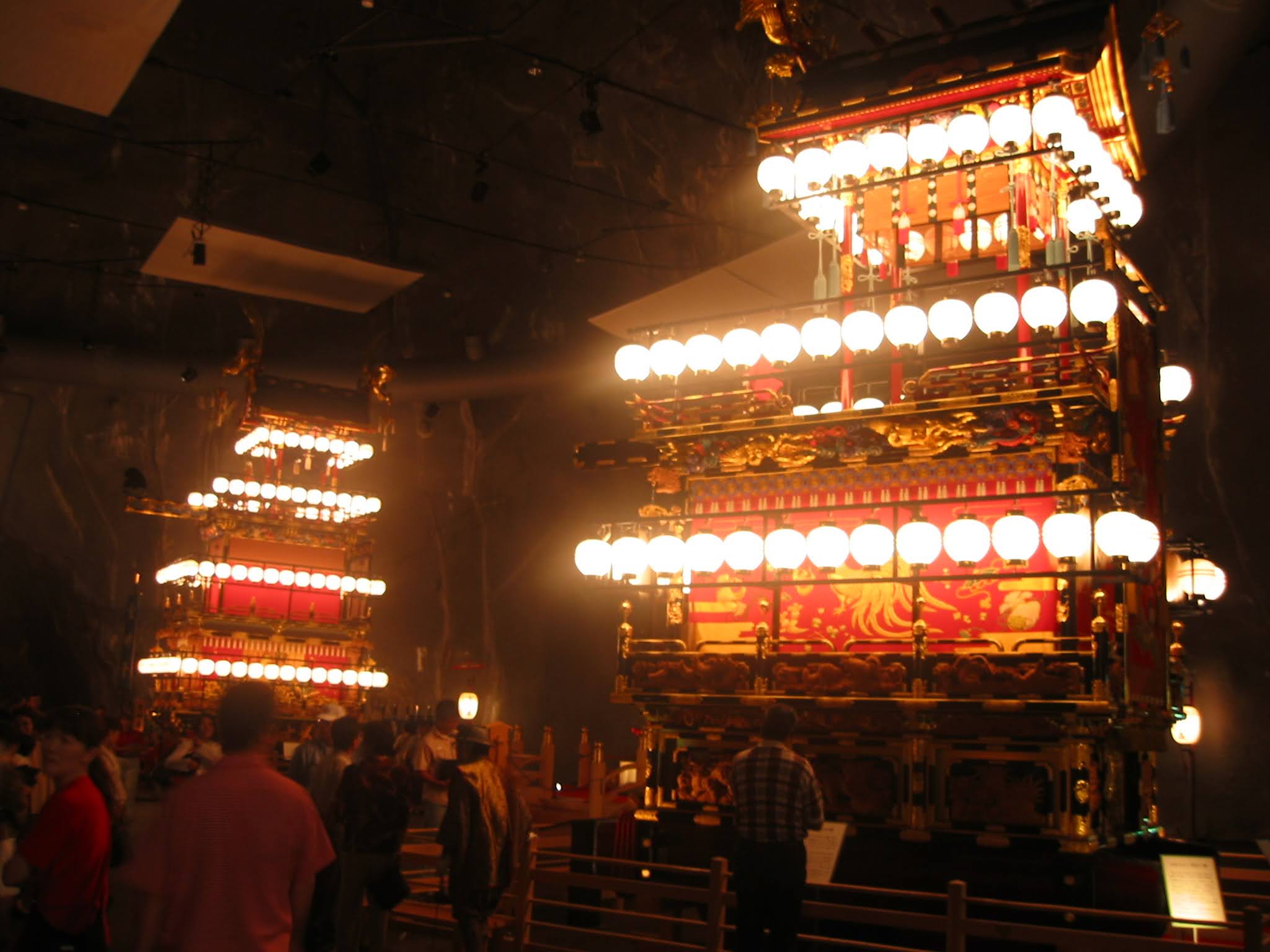
The ultimate peak of the autumn festival is the Yoimatsuri (Evening Festival) on the night of October 9. At dusk, approximately 100 lanterns are illuminated on each of the 11 floats. Bathed in warm lantern light, the floats cruise through historic merchant streets to traditional farewell tunes like "Takai Yama" before returning to their respective storehouses, creating an unforgettable, dreamlike atmosphere.
Comparison with Japan's Major Float Festivals#
While Japan hosts numerous float festivals, the Takayama Festival stands out for its unmatched artistic refinement, craftsmanship, and historic prestige.
| Festival Name | Location | Dates | Key Features & Charm |
|---|---|---|---|
| Takayama Festival (Spring/Autumn) | Takayama, Gifu | Apr 14–15 / Oct 9–10 | Master woodwork by Hida artisans, exquisite Karakuri puppets, and mystical lantern-lit evening parade. |
| Kyoto Gion Matsuri | Kyoto City | July 1–31 | Over a millennium of heritage; majestic Yamaboko procession renowned as a mobile art museum. |
| Chichibu Night Festival | Chichibu, Saitama | Dec 2–3 | Winter fireworks accompanying massive Kasaboko and Yatai hauled up the steep Dango-zaka slope. |
| Kawagoe Festival | Kawagoe, Saitama | 3rd Sat & Sun of Oct | Two-tiered Edo-style floats navigating Koedo merchant streets with dramatic midnight Hikkawase musical clashes. |
Travel Tips: Lodging, Access & Weather#
During the autumn festival, over a hundred thousand visitors arrive from across Japan and the world. Keep these practical tips in mind for a smooth journey:
- Accommodations: Hotels in central Takayama book out months in advance. Consider accommodations in nearby areas such as Gero Onsen, Hida-Furukawa, or Toyama.
- Transportation: Major traffic restrictions apply in central Takayama. Public parking lots fill up early in the morning, so taking JR Takayama Main Line trains or express buses is strongly advised.
- Weather & Clothing: October days in Takayama are pleasantly crisp, but morning and evening temperatures drop drastically near 10°C (50°F). Bring warm layers, jackets, or scarves for the Yoimatsuri.
- Local Cuisine: Enjoy signature regional delicacies between events, including succulent Hida Beef Nigiri Sushi, authentic Takayama Ramen, grilled Mitarashi Dango, and visits to local sake breweries.
【References】#
- Hida Takayama Tourism & Convention Bureau "Takayama Autumn Festival (Hachiman Matsuri)"
- Takayama City Official Website "National Important Intangible Folk Cultural Property: Takayama Festival Float Event"
- Sakurayama Hachiman Shrine Official Website "Hachiman Festival Annual Rite Guide"