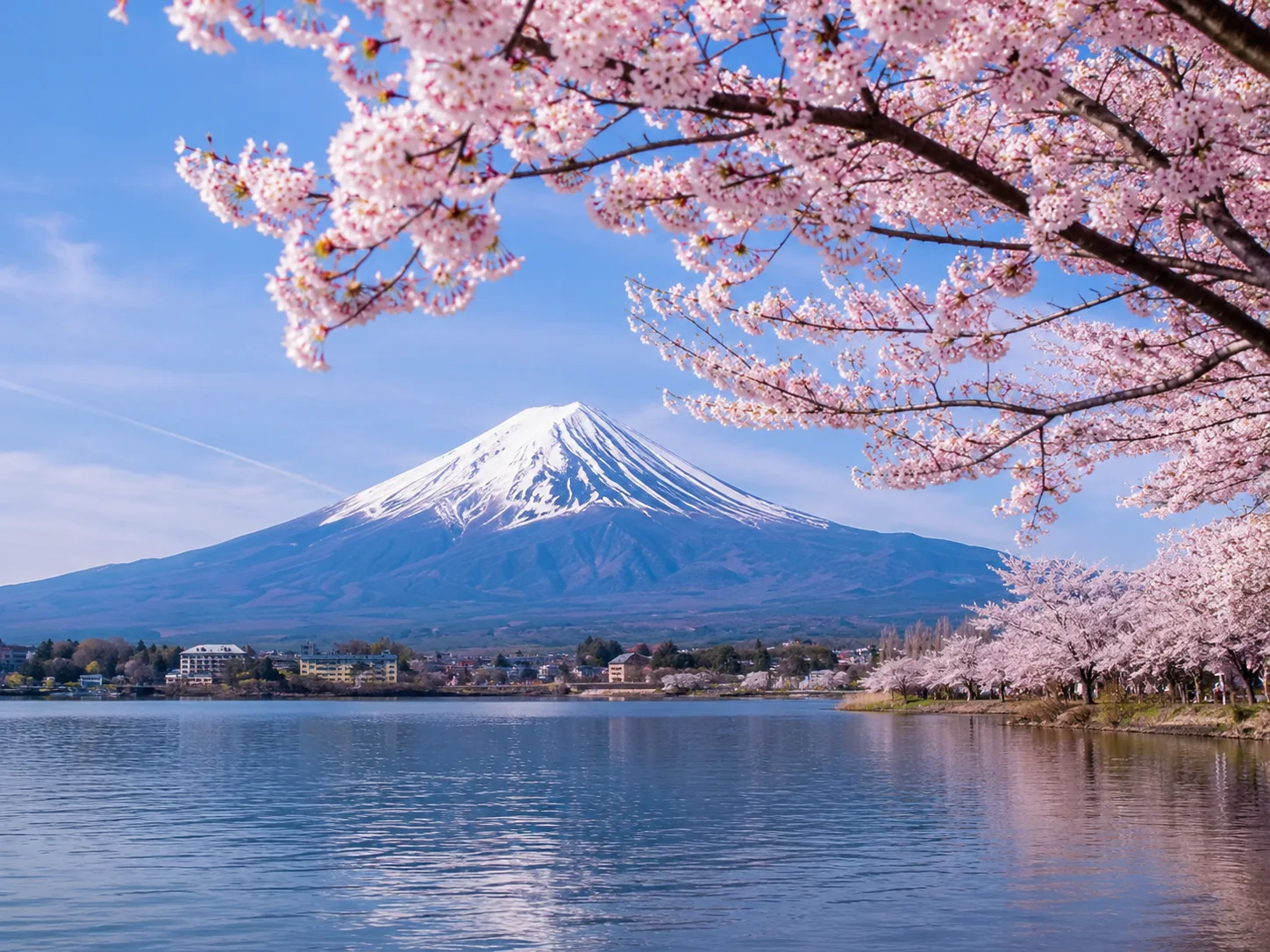
Mt. Fuji Opening: Hiking Routes & History of Asama Faith
Mt. Fuji opens in July for climbing. Compare 4 routes. Discover the history of Asama Faith (worship born from volcano fear), the 1,300 Asama shrines, and the Hatsuyamamairi ceremony for babies.
Mt. Fuji is the symbol of Japan that announces the arrival of summer. Every July, the mountain opening (Yama-biraki) welcomes numerous climbers from all over Japan and the world aiming for the summit. However, Mt. Fuji is not just a recreational mountain. Behind its beautiful ridge lines lies a deep history of Mt. Fuji worship (Asama Faith) that began with earnest prayers to appease the volcano's past violent eruptions.
In this article, we provide practical information such as the 2026 summer climbing schedule and route comparisons. We also explain the origins of Fuji worship, the network of Asama shrines across Japan, and traditional events like Hatsuyamamairi in detail.
2026 Summer Climbing Schedule and Route Comparison#
First, let's look at the climbing routes and opening dates. Mt. Fuji has four main climbing routes, with different opening dates on the Yamanashi and Shizuoka sides.
| Route Name | Opening Period (2026) | Trailhead & Elevation | Est. Time (Ascent / Descent) | Main Features & Difficulty |
|---|---|---|---|---|
| Yoshida Route (Yamanashi) | July 1 - September 10 | Fuji Subaru Line 5th Station (2,305m) |
Approx. 6 hours / 4 hours | Separate ascent and descent trails. Most mountain huts, suitable for beginners but very crowded. Note: Traffic regulations apply. |
| Fujinomiya Route (Shizuoka) | July 10 - September 10 | Fujinomiya 5th Station (2,400m) |
Approx. 5 hours / 3 hours | Starts at the highest elevation, making the distance shorter. Steep slopes and rocky paths throughout. |
| Subashiri Route (Shizuoka) | July 10 - September 10 | Subashiri 5th Station (2,000m) |
Approx. 6 hours / 3 hours | Forest zone continues up to the 8th station, providing shade. Famous for the "Sunabashiri" sand run during descent. |
| Gotemba Route (Shizuoka) | July 10 - September 10 | Gotemba New 5th Station (1,440m) |
Approx. 7 hours / 3 hours | Starts at a low elevation, with the longest distance and altitude difference. For experienced climbers. Famous for the "Osunabashiri." |
*Opening periods and accessible areas are subject to change depending on weather and snow conditions. Please check the official Mt. Fuji climbing website for the latest updates.
From Angry Deity to Benevolent God: Origins of Asama Faith#
Worship of Mt. Fuji did not start from admiration of its beauty. Its origin lies in fear and awe toward the overwhelming destructive power of nature.
1. "Yohei" (Remote Worship) from Afar
In ancient times, Mt. Fuji was an active volcano that erupted violently. Witnessing the pillars of fire, black smoke, and flowing lava, people believed the mountain itself was an angry deity. They named the divine spirit "Fuji-no-kami" and later "Asama-no-okami," praying from safe, distant locations to appease the anger. This remote worship is the origin of Mt. Fuji faith.
Yamamiya Asama Shrine in Fujinomiya City has no main or worship halls, preserving only a stone enclosure (Yohei-jo) to look directly up at Mt. Fuji. It remains a precious World Heritage component showing the ancient style of worship. In addition, ruins from the middle of the Jomon period suggest remote worship sites, proving how ancient this history is.
2. The Great Jogan Eruption and the Birth of Asama Shrines
In 864 (Jogan 6), Mt. Fuji caused its largest recorded eruption (the Jogan Eruption). Huge amounts of lava flowed toward the northwest, filling the massive lake called Senoumi. This created the Aokigahara Forest and left behind the current Fuji Five Lakes (Motosuko, Shojiko, Saiko). Many homes were destroyed, and lake fish died.
Facing this catastrophe, the imperial court raised the divine rank of Asama-no-okami from "Junior Third Rank" to "Senior Third Rank" and built shrines using national funds. The predecessor of Fujisan Hongu Sengen Taisha was developed in Suruga Province (Shizuoka), and Kawaguchi Asama Shrine was built in Kai Province (Yamanashi). In this way, Asama shrines were established in various regions to appease the volcano.
3. Transition to "Tohei" (Climbing Worship)
After the eruption in 1083 (Eiho 3), the volcanic activity subsided. Once the eruptions stopped, people transitioned from remote worship to Tohei, climbing the sacred mountain to practice ascetic training. In the medieval period, it merged with Buddhism and Esoteric Buddhism, becoming a training ground for Shugendo and entering an era of climbing worship.
A Network of 1,300 Shrines: Asama Shrines and the Head Shrine in Fujinomiya#
Shrines dedicated to Mt. Fuji are called Asama Shrines, and there are about 1,300 of them in Japan. The head shrine of this network is Fujisan Hongu Sengen Taisha in Fujinomiya City, Shizuoka Prefecture.
1. Fujisan Hongu Sengen Taisha and Tokugawa Ieyasu
The main deity of the shrine is Konohanasakuya-hime-no-mikoto. The current main hall (an Important Cultural Property) was donated by Tokugawa Ieyasu to express gratitude for his victory at the Battle of Sekigahara. Ieyasu had deep reverence for Mt. Fuji and donated the area from the 8th station to the summit as the shrine's private property. Even today, the summit area of Mt. Fuji is not public land or a prefectural boundary, but the private land of the shrine.
2. The Boom of "Fujiko" in the Edo Period
In the mid-Edo period, religious groups called "Fujiko" became extremely popular among commoners. Commoners pooled funds to send representatives to climb Mt. Fuji.
For those who could not travel, miniature mountains called "Fujizuka" were built in shrine grounds using Mt. Fuji lava stones. Climbing a Fujizuka was believed to grant the same blessings as climbing the real Mt. Fuji.
【Pronunciation of Asama and Sengen】
Generally, individual shrines are called "Asama Shrine" (Asama Jinja), but the head shrine in Fujinomiya is called "Sengen Taisha" (Sengen Taisha). "Asama" is an ancient word for volcano, while "Sengen" became common later due to Buddhist influences.
"Hatsuyamamairi" and Summer Opening Traditions#
To coincide with the July 1 opening date, a unique and heartwarming traditional event called "Hatsuyamamairi" (First Mountain Visit) is held in eastern Japan (Saitama, Gunma, Tochigi, and parts of Shizuoka).
1. Stamping the Baby's Forehead with a Red Seal
Hatsuyamamairi is an event where babies born in the past year are taken to local Asama shrines to pray for their healthy growth and protection from illness.
The most prominent feature of this event is stamping a red seal (shuin) on the baby's forehead. The seal bears the name of the shrine or protective symbols. It is believed that this seal protects the babies from summer heat and illness. The sight of babies crying slightly as they receive the stamp is a heartwarming summer scene.
2. "Uchiwa" Fans and Asama Shrines
During the visit, families purchase decorative uchiwa fans depicting Konohanasakuya-hime or Mt. Fuji. Fanning with these uchiwa is believed to blow away misfortune and invite cool, healthy summer air, serving as a symbol of protection.
Conclusion: Respecting Nature and Sustainable Climbing#
Mt. Fuji, where people once risked their lives to pray for volcanic peace, has now become a place accessible by bus and car. However, because it is easier to climb, we must not forget its origins as a sacred object of faith.
Recently, Mt. Fuji has faced serious problems with overtourism, accidents, and environmental damage. New regulations, such as entry fees and reservation systems on the Yamanashi side, have begun to protect the mountain. When climbing Mt. Fuji, we should keep in mind the ancient awe of nature and follow rules and manners to preserve this sacred place for the future.
【Sources】#
1. Official Mt. Fuji Guide: "Origin of Mt. Fuji Worship"
2. Official Mt. Fuji Climbing Website: "Climbing Routes & Huts"
3. Fujisan Hongu Sengen Taisha: "Official Website"