Fujikawaguchiko Autumn Leaves Festival 2026: Maple Corridor Guide
From Nov 7–29, 2026 in Yamanashi, the Fujikawaguchiko Autumn Leaves Festival features the illuminated Maple Corridor, snow-capped Mt. Fuji, a century of local history, and essential travel tips.
Under a crystal-clear autumn sky, the snow-capped peak of Mount Fuji rises majestically over the northern shore of Lake Kawaguchiko, surrounded by the fiery crimson and radiant golden hues of ancient maple trees. Synthesizing the pinnacle of Japanese autumn aesthetics, the Fujikawaguchiko Autumn Leaves Festival 2026 in Yamanashi Prefecture attracts hundreds of thousands of domestic and international visitors each year.
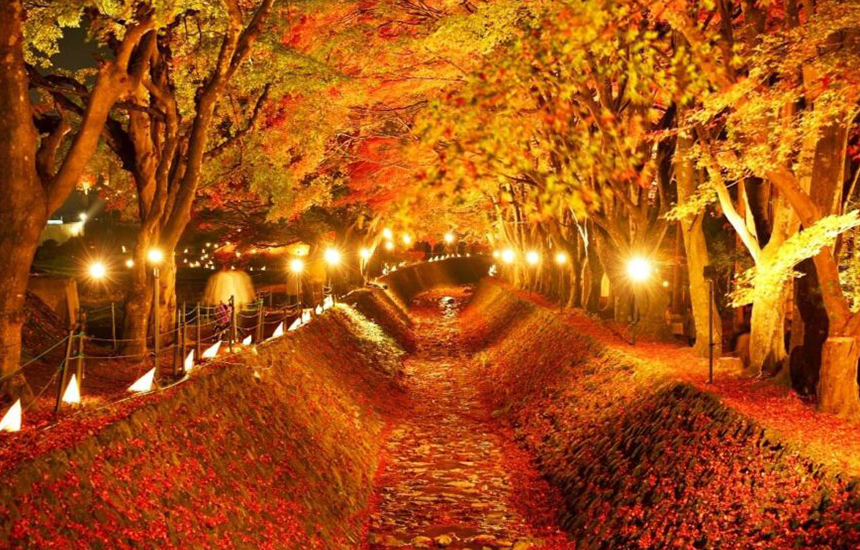
The 2026 festival runs for 23 consecutive days, from Saturday, November 7 to Sunday, November 29. Centered along the famous "Maple Corridor" (Momiji Kairo) on the banks of the Nashi River, the entire lakeshore bursts into peak color. Beyond daytime vistas pairing lake waters with Mount Fuji, the daily evening illumination from sunset until 21:30 reveals an ethereal world where illuminated scarlet branches and a thick carpet of fallen leaves entrance spectators.
This guide covers the festival dates and event highlights, the 100-year history of the corridor planted following Taisho-era flood recovery, its cultural ties with Mount Fuji's UNESCO World Heritage designation and the Kubota Itchiku Art Museum, comparisons with other renowned Japanese autumn destinations such as Kyoto Arashiyama and Nikko Irohazaka, and practical traffic and parking strategies to navigate peak crowds smoothly.
[Fujikawaguchiko Autumn Leaves Festival 2026: Fast Facts]
• Dates: Saturday, November 7 – Sunday, November 29, 2026 (23 days, daily)
• Hours: 9:00 AM – 7:00 PM (Food, local craft, and souvenir stalls)
• Illumination: Sunset (around 4:30 PM) – 9:30 PM daily
• Main Venue: Maple Corridor, Nashi River, Kawaguchi, Fujikawaguchiko, Minamitsuru District, Yamanashi
• Admission: Free to stroll (nearby festival parking incurs fees; cashless payment accepted)
• Typical Peak Foliage: Early to mid-November (carpet of fallen leaves in late November)
A Century of Resilience: The History of the Community-Planted Maple Corridor#
While today the Maple Corridor is celebrated worldwide, its origins lie in a tragic natural disaster and the resilient reconstruction efforts of the local community.
During the Taisho era, severe torrential rains triggered catastrophic debris flows and flooding along the Nashi River flowing from the Misaka mountain range into Lake Kawaguchiko, causing devastation across local settlements and farmland. In the aftermath, as embankments were constructed to mitigate erosion, local residents decided to plant maple saplings along both riverbanks, aspiring to restore natural beauty and leave an enduring treasure for future generations.
Nearly a century later, those humble saplings have grown into towering ancient trees over ten meters tall. Today, around 60 venerable maples line a 150-meter stretch of the river, their intertwining branches forming a natural crimson tunnel. A flood-mitigation project has blossomed into one of Japan's premier autumn landscapes.
Just upstream stands the Kubota Itchiku Art Museum, showcasing the magnificent Tsujigahana dyed kimono masterpieces of artist Itchiku Kubota. The Gaudi-inspired architectural contours, tranquil gardens, and radiant autumn foliage create a cultural landmark where art and nature achieve sublime harmony.
Canopy Tunnels and Scarlet Carpets: Three Must-See Festival Highlights#
The festival's charm transforms dramatically depending on the time of day and viewing perspective. Three experiences stand out as absolute essentials:
1. The Maple Corridor: Canopy Arch and Scarlet Carpet
Strolling through the corridor under filtering sunlight reveals rich gradations of red, orange, and gold during peak season in early-to-mid November. Later in the month, shedding leaves cover the dry riverbed and cobblestone paths, creating a breathtaking "red carpet" effect where scarlet surrounds visitors from above and below.
2. Evening Illumination: Romantic Splendor from Sunset to 9:30 PM
As twilight descends around 4:30 PM, lights along the corridor ignite. In the crisp mountain air, the glowing fiery branches against the dark night sky create an enchanting, dreamlike atmosphere popular with couples and photographers alike.
3. The Maple Tunnel and Oishi Park Panoramas
Three kilometers west along the lakeshore sits the "Maple Tunnel," where low-hanging branches frame the snow-crowned cone of Mount Fuji across the water. Further west at Oishi Park, sweeping panoramic views incorporate red Kochia bushes, blooming autumn grasses, the lake, and Mount Fuji in one stunning frame.
Contrasting Japanese Autumns: Kawaguchiko vs. Arashiyama, Nikko, and Korankei#
While Japan boasts countless scenic autumn foliage destinations, their character and appeal differ significantly:
| Destination | Landscape Character | Mount Fuji Backdrop | Night Illumination | Peak Timing |
|---|---|---|---|---|
| Fujikawaguchiko (Yamanashi) | Lakeside corridor of ancient maples with reflections and fallen leaf carpet. | Iconic co-starring view (World Heritage backdrop) | Yes (Sunset–9:30 PM daily) | Early to mid-November |
| Arashiyama (Kyoto) | Classical beauty of Togetsukyo Bridge, mountain hillsides, and temple zen gardens. | None | Special evening temple openings only | Mid-November to early December |
| Nikko Irohazaka (Tochigi) | Mountain slopes and winding roadway across 500-meter elevation shifts. | None | None (Daytime drive focus) | Mid to late October |
| Korankei (Aichi) | Dense valley landscape with 4,000 maples along the Tomoe River. | None | Yes (Sunset–9:00 PM) | Mid to late November |
The incomparable advantage of Fujikawaguchiko is the singular panorama uniting snow-capped Mount Fuji, serene lake reflections, and brilliant maples. Unlike temple gardens in Kyoto or winding alpine drives in Nikko, this dramatic balance of sacred peak and vibrant lakeside foliage provides an unforgettable visual spectacle found nowhere else on earth.
Traffic, Parking, and Practical Strategy: Visitor Checklist#
During the festival, traffic on the Chuo Expressway and lakeshore roads peaks intensely, particularly on weekend afternoons. These practical guidelines ensure a smooth, rewarding visit:
[Golden Rule for Beating Crowds] Arrive by 8:00–8:30 AM
Nearby festival parking lots typically reach full capacity by 10:00 AM on peak weekends. Arriving between 8:00 and 8:30 AM allows a peaceful stroll through the corridor before tour buses arrive, while early-morning calm water on Lake Kawaguchiko frequently rewards early risers with mirror-like "upside-down Mount Fuji" reflections.
[Fujikawaguchiko Autumn Leaves Festival 2026: Strategy Checklist]
• Transit & Parking Tips:
– By Car: Approx. 15 minutes from Chuo Expressway Kawaguchiko IC or Higashi-Fujigoko IC. Temporary parking is available (1,000 yen per car; cashless payments accepted). If full, park at Oike Park across the bridge and use the shuttle bus.
– By Train/Bus: Take the Fujikyuko Line to Kawaguchiko Station, then board the Kawaguchiko Sightseeing Bus (Red Line) to "Kubota Itchiku Art Museum" bus stop (approx. 25 minutes, running every 15 minutes).
• Essential Attire & Gear:
– Lake Kawaguchiko sits at an elevation of 830 meters; temperatures drop near freezing after sunset. Heavy down coats, thermal base layers, scarves, gloves, and heat packs are essential.
– Comfortable walking sneakers are strongly advised for exploring cobblestone pathways and uneven riverbanks.
Conclusion: Experiencing Japan's Pinnacle of Autumn Splendor#
The saplings planted by local residents a century ago in the wake of disaster have matured into a living cultural monument celebrated across the globe. Blending the majesty of Mount Fuji with the vivid artistry of nature, the festival represents an inspiring harmony between community heritage and natural wonder.
Dress warmly and embark on a memorable journey this November to witness the breathtaking day-to-night transformation of Lake Kawaguchiko in its full autumnal glory.
[Sources]